
Flowering Trees


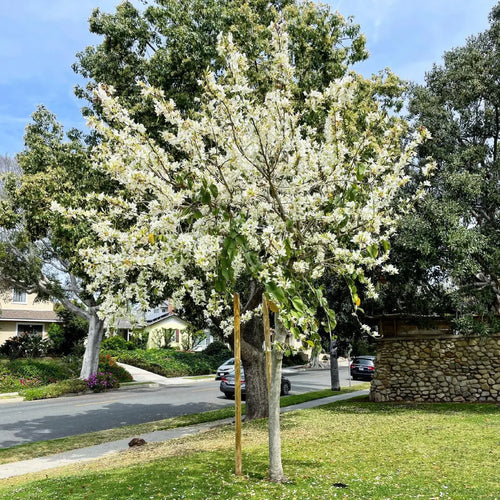
White Orchid Tree (Bauhinia variegata)
Starting at Rs.850.00
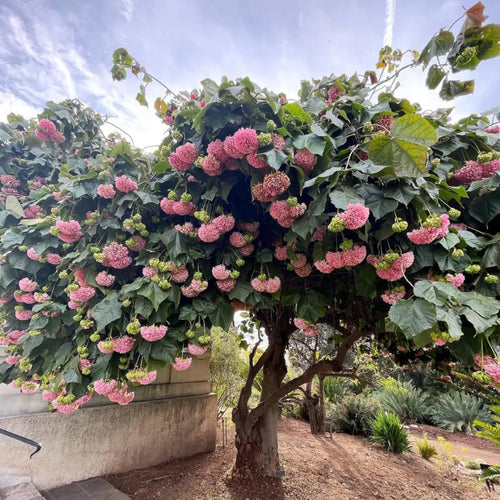
Pink Ball Tree (Dombeya wallichii)
Starting at Rs.950.00
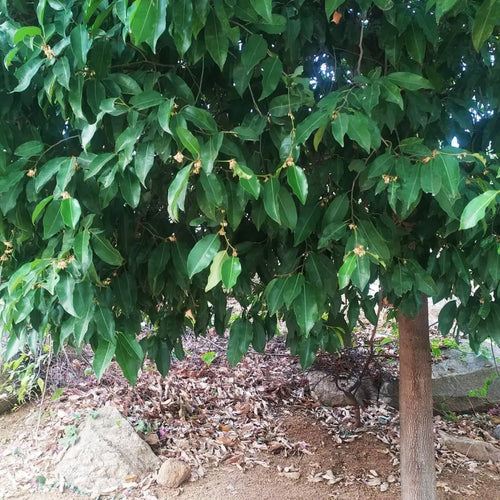
Maulsari Tree (Mimusops elengi)
Starting at Rs.900.00
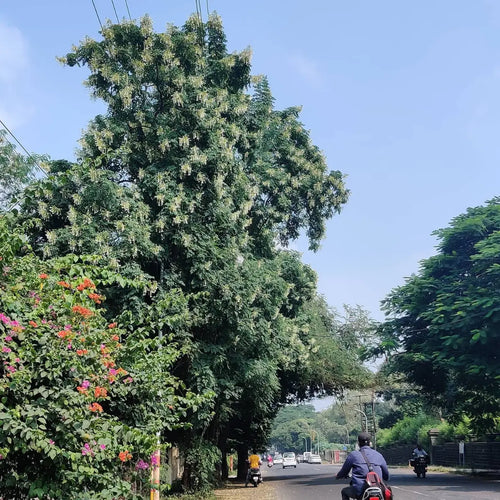
Indian Cork Tree (Millingtonia hortensis)
Starting at Rs.750.00

Eastern Redbud Tree (Cercis canadensis)
Starting at Rs.950.00

Champak Tree (Michelia champaca)
Starting at Rs.850.00

Harsingar Tree (Nyctanthes arbor-tristis)
Starting at Rs.750.00

Yellow Bells (Tecoma stans)
Starting at Rs.750.00
Brazilian Potato Tree (Solanum macranthum)
Starting at Rs.850.00
Gul-e-Mohar Tree (Delonix regia)
Starting at Rs.950.00

Amaltas Tree (Cassia fistula)
Starting at Rs.850.00

Flame of the Forest (Butea monosperma)
Starting at Rs.800.00

African Tulip Tree (Spathodea campanulata)
Starting at Rs.950.00

Wisteria Vine (Wisteria sinensis)
Starting at Rs.850.00

White Trumpet Tree (Tabebuia roseo-alba)
Starting at Rs.950.00

Pink Trumpet Tree (Tabebuia rosea)
Starting at Rs.950.00

Ornamental Peach 'Red Baron' (Prunus persica)
Starting at Rs.950.00

Magnolia Soulangeana (Magnolia × soulangeana)
Starting at Rs.1,100.00

Gul-e-Cheen Plumeria Tree (Plumeria rubra)
Starting at Rs.950.00

Apple Blossom Tree (Cassia javanica)
Starting at Rs.900.00

Flame Bottle Tree (Brachychiton acerifolius)
Starting at Rs.1,050.00

Purple Orchid Tree (Bauhinia purpurea)
Starting at Rs.850.00
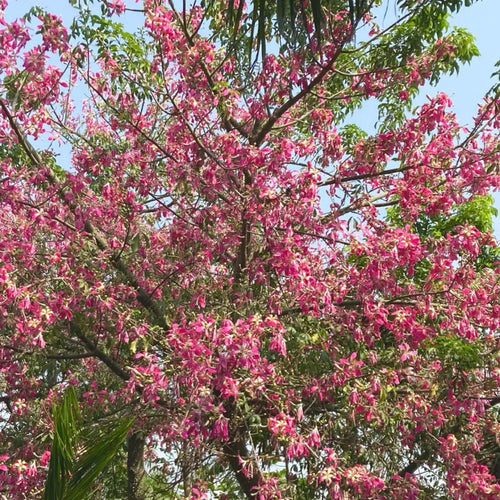
Silk Floss Tree (Ceiba speciosa)
Starting at Rs.950.00
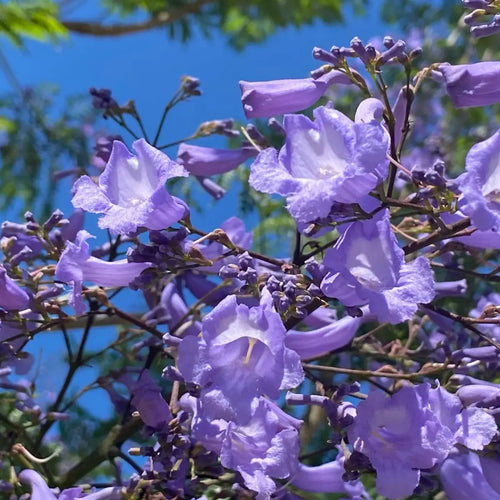
Jacaranda Tree (Jacaranda mimosifolia)
Starting at Rs.950.00
FAQs for Buying Flowering Trees Online
Can dragon fruit grow in Pakistan?
Yes, dragon fruit can grow in many parts of Pakistan, especially in warm regions. It needs well-drained soil, plenty of sunlight and protection from frost and waterlogging.
How long does a dragon fruit plant take to produce fruit?
Dragon fruit plants grown from healthy cuttings may start producing fruit in around 1–2 years under suitable conditions. Seed-grown plants usually take longer to fruit.
When is the best time to plant dragon fruit in Pakistan?
Spring is generally a good time to plant dragon fruit, when temperatures begin to rise and the risk of frost has passed. Planting during suitable warm weather helps establish healthy roots.
How often should I water a dragon fruit plant?
Water when the soil begins to dry, adjusting the frequency according to the weather and soil type. Dragon fruit needs moisture during active growth but is sensitive to waterlogged soil, which can cause root rot.